
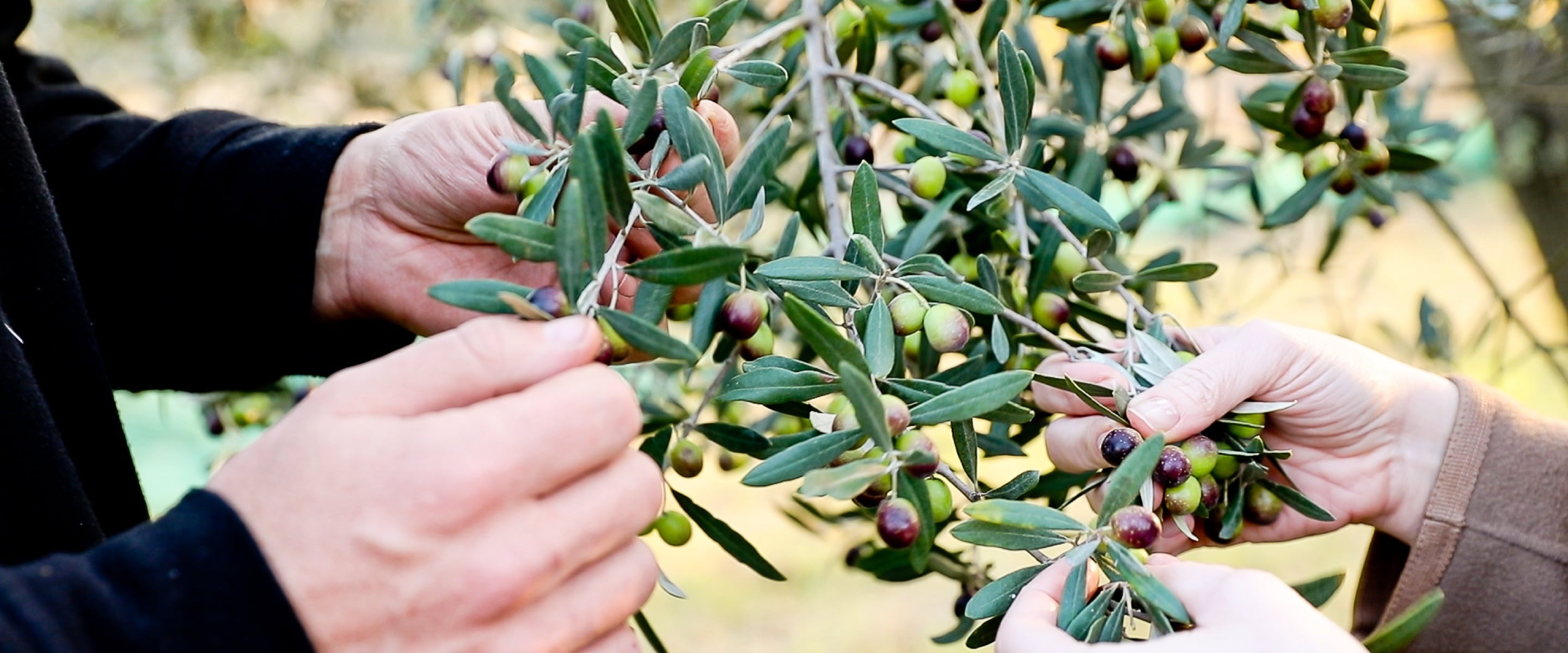
ALL ABOUT EXTRA VIRGIN OLIVE OIL
Extra virgin olive oil is one of the world’s oldest and most celebrated foods — valued for its flavor, versatility, and connection to Mediterranean culture for thousands of years.
But not all olive oil is the same.
Like wine, coffee, or chocolate, extra virgin olive oil varies dramatically depending on olive variety, harvest timing, climate, production methods, and freshness. Some oils are delicate and buttery. Others are intensely grassy, peppery, and robust.
At Olive Oil Lovers, we believe understanding olive oil should feel approachable, not overwhelming. Our goal is to help you discover oils you genuinely enjoy while learning what makes exceptional extra virgin olive oil so special.
What Is Extra Virgin Olive Oil?
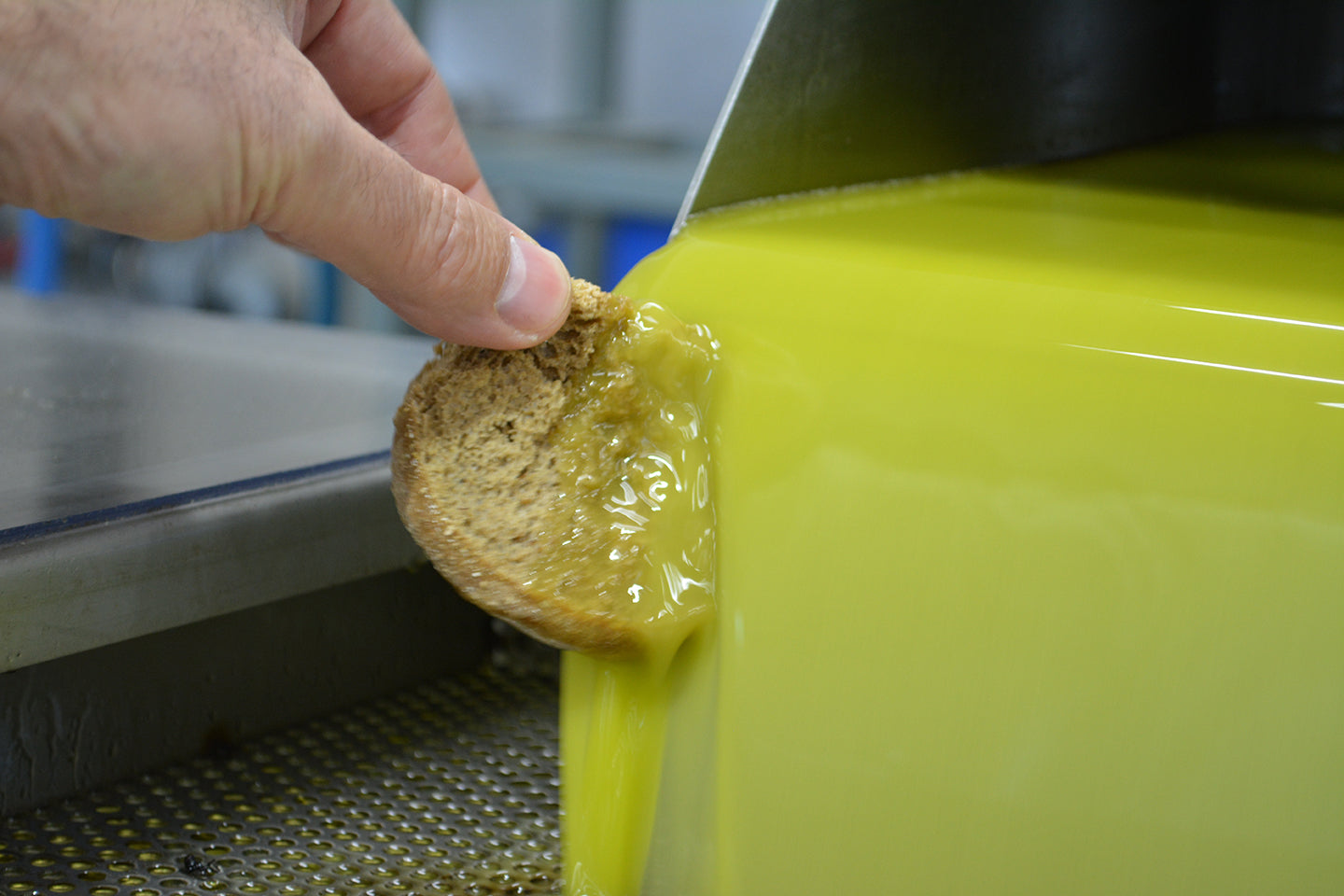
Extra virgin olive oil — often called EVOO — is the highest grade of olive oil.
To qualify as extra virgin, the oil must be extracted mechanically without excessive heat or chemical refining and must meet strict chemical and sensory standards. Properly made extra virgin olive oil should taste fresh, vibrant, and free from defects.
High-quality EVOO commonly displays:
- Fruitiness
- Bitterness
- Pepperiness
These characteristics are not flaws — they are often indicators of freshness and naturally occurring antioxidant compounds.
Freshness Matters
Olive oil is a fresh fruit juice.
Unlike wine, olive oil generally does not improve with age. Over time, exposure to oxygen, heat, and light gradually reduces freshness, aroma, and flavor intensity.
Fresh extra virgin olive oil can display remarkable complexity. Different olive varieties and growing regions produce dramatically different sensory profiles, which is part of what makes exploring olive oil so rewarding.
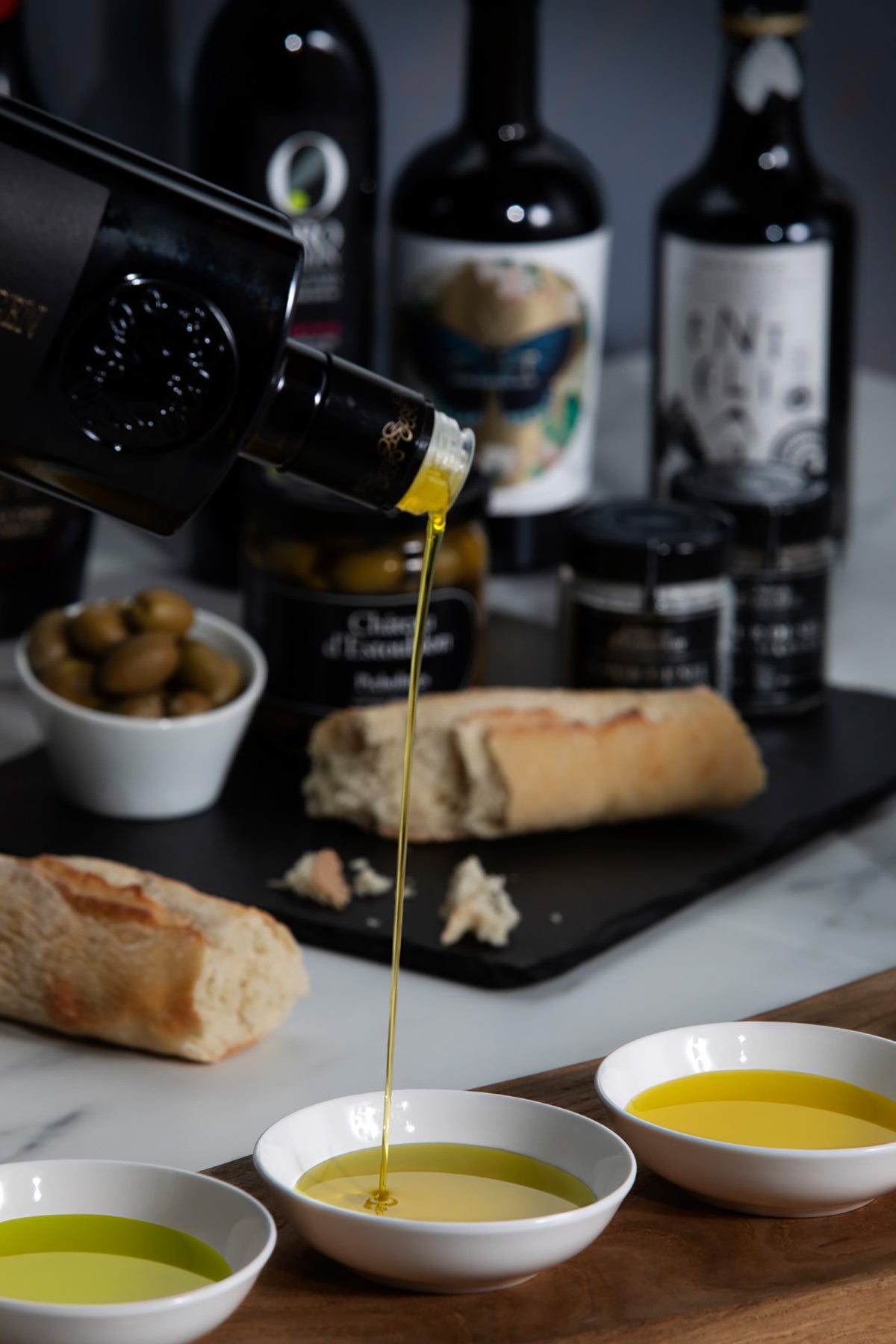
Not every olive oil should taste the same.
Understanding Olive Oil Flavor
Some oils are intentionally mild and delicate, while others are bold and intensely peppery. Neither style is inherently "better" — the right choice depends on personal preference and how you plan to use the oil. In general:
Mild Oils
Smooth, buttery, approachable oils often used for baking, light sautéing, and delicate dishes.
Medium Oils
Balanced oils with noticeable fruitiness and moderate pepperiness that work well for everyday cooking and finishing.
Robust Oils
Intensely flavorful oils with pronounced bitterness and pepperiness, often ideal for bread dipping, salads, grilled vegetables, soups, and finishing dishes.
Harvest Date Matters
Harvest timing has a major impact on flavor.
Early harvest oils are typically greener, more vibrant, more bitter, and more peppery due to higher concentrations of aromatic compounds and polyphenols.
Later harvest oils are often softer, rounder, and milder.
Whenever possible, we encourage consumers to pay attention to harvest information rather than relying solely on expiration dates.
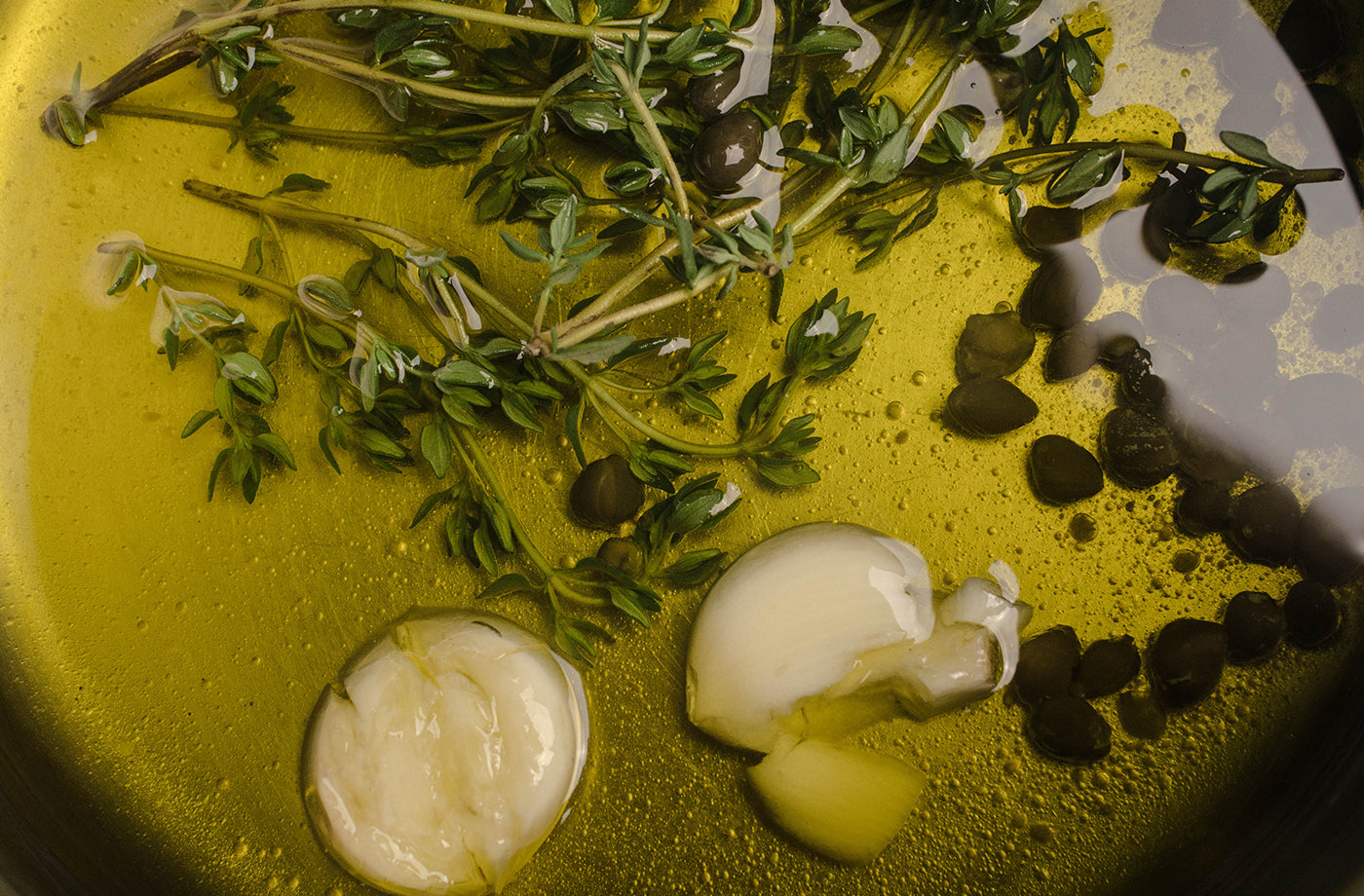
Can You Cook With Extra Virgin Olive Oil?
Yes — absolutely.
Despite common misconceptions, high-quality extra virgin olive oil is suitable for everyday cooking, including sautéing, roasting, and many higher-heat applications. Its natural antioxidant content and high monounsaturated fat levels contribute to strong oxidative stability.
That said, different oils serve different purposes. Some delicate oils are best appreciated raw, while others are specifically selected for versatile daily cooking.
Olive Oil Shouldn’t Be Confusing
The olive oil aisle can be overwhelming.
Labels, terminology, and marketing claims often make it difficult to understand what you’re actually buying. Many consumers have never experienced truly fresh extra virgin olive oil and therefore don’t know what to expect from high-quality oils.
That’s why Olive Oil Lovers focuses heavily on education, transparency, tasting notes, harvest information, and carefully curated selections from respected producers around the world.